



Environmental questions are no longer limited to our food consumption or means of transport. We see it in the cosmetics field, which is starting to offer products that resonate with this quest for transparency and ethics. Water-free cosmetics, also called waterless or waterfree, are proof of this.
What is a water-free cosmetic?
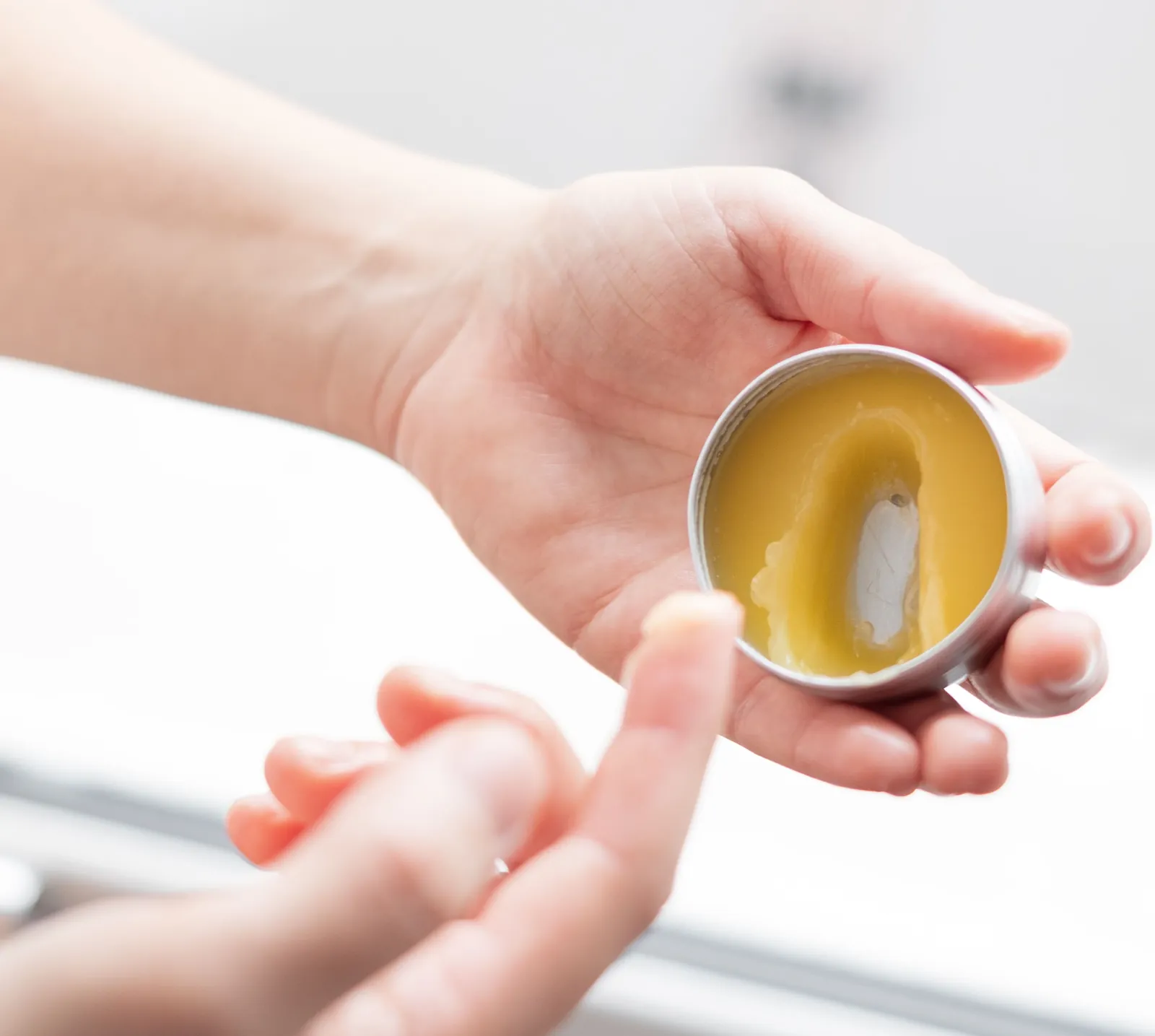
A water-free cosmetic lives up to its name: it is a beauty product that contains no water in its composition, like solid cosmetics.
While this trend appeared recently in the West, waterless products emerged in South Korea in 2015 with the Waterless Beauty movement.
Beyond the benefits for the skin, these products are developing following an ecological awareness among consumers and companies.
The active compounds are truly highlighted in water-free cosmetics, whether through local and French vegetable oils, powders or extracts of natural origin.
What is water used for in the composition?
Water is everywhere, especially in cosmetics. On average, a cosmetic can contain between 70% and 80% water.
It is used to solubilise ingredients, obtain an emulsion or create a liquid product. Brands may overuse it to reduce their costs in raw materials and use fewer active ingredients.
Water is a neutral ingredient, since it is not thermal or floral water, which have interesting specific qualities. Moreover, its presence forces the formulator to add one or more preservatives (chemical or natural) to avoid bacterial contamination.
The advantages of waterless cosmetics
1. More ecological
Global water consumption has exploded over the past fifty years, yet less than 1% of all the world’s water is drinkable. By 2025, according to the World Wildlife Fund (WWF), two-thirds of the world’s population could be at risk of water shortage.
Water-free cosmetics are therefore more ecological because they can do without this precious resource. Consumption is lower, and so is packaging. Solid products can be found in bulk or with eco-responsible packaging, enabling a minimalist care routine.
2. Healthier
Since there is no water, there is no need for preservatives. The risk of allergy or irritation is reduced, and natural compounds are favoured.
3. More effective
The active compounds are not drowned in water or unnecessary liquids, which makes the beauty product much more effective. Water is often replaced by formulas that put plant extracts and oils at the heart of the formulation.
“For example, oils are interesting because they support the role of sebum and the hydrolipidic film.”
Water-free beauty products
Water-free cosmetics come in various forms and can enrich your range in many ways:
- face oils;
- wax sticks or lip balms;
- solid soaps and shampoos;
- solid deodorants and make-up removers;
- dry powder shampoos;
- solid conditioners.
The possibilities are almost endless, and product personalisation is huge. It is up to you to imagine the water-free beauty product you like best!