



Clean beauty and Safe beauty are trends that have been developing for a few years. Faced with increasingly informed consumers, how can you offer cosmetic care that fully meets their expectations? And will these trends keep evolving?
The Clean beauty and Safe beauty market
In a short time, the beauty market has changed: consumers no longer buy cosmetics with their eyes closed. In recent years, new trends - Clean beauty, Safe beauty - and cosmetic decoding apps have appeared (INCI Beauty, Yuka, etc.).
The figures speak for themselves: a Traetwell survey shows that 7 out of 10 French people buy eco-responsible products, and 6 out of 10 pay attention to the ingredient list.
Consumers now want products that respect the planet, but also want to protect themselves from external aggressions and be reassured by effective, transparent products. Transparency becomes the watchword, and Safe beauty increasingly takes precedence over Clean beauty. The ideal? A product that combines both trends.
Clean beauty and Safe beauty: where do we really stand?
Customers increasingly inform themselves about the origin, the quality of ingredients and the durability of production processes, and are more interested in the brand’s story and values.
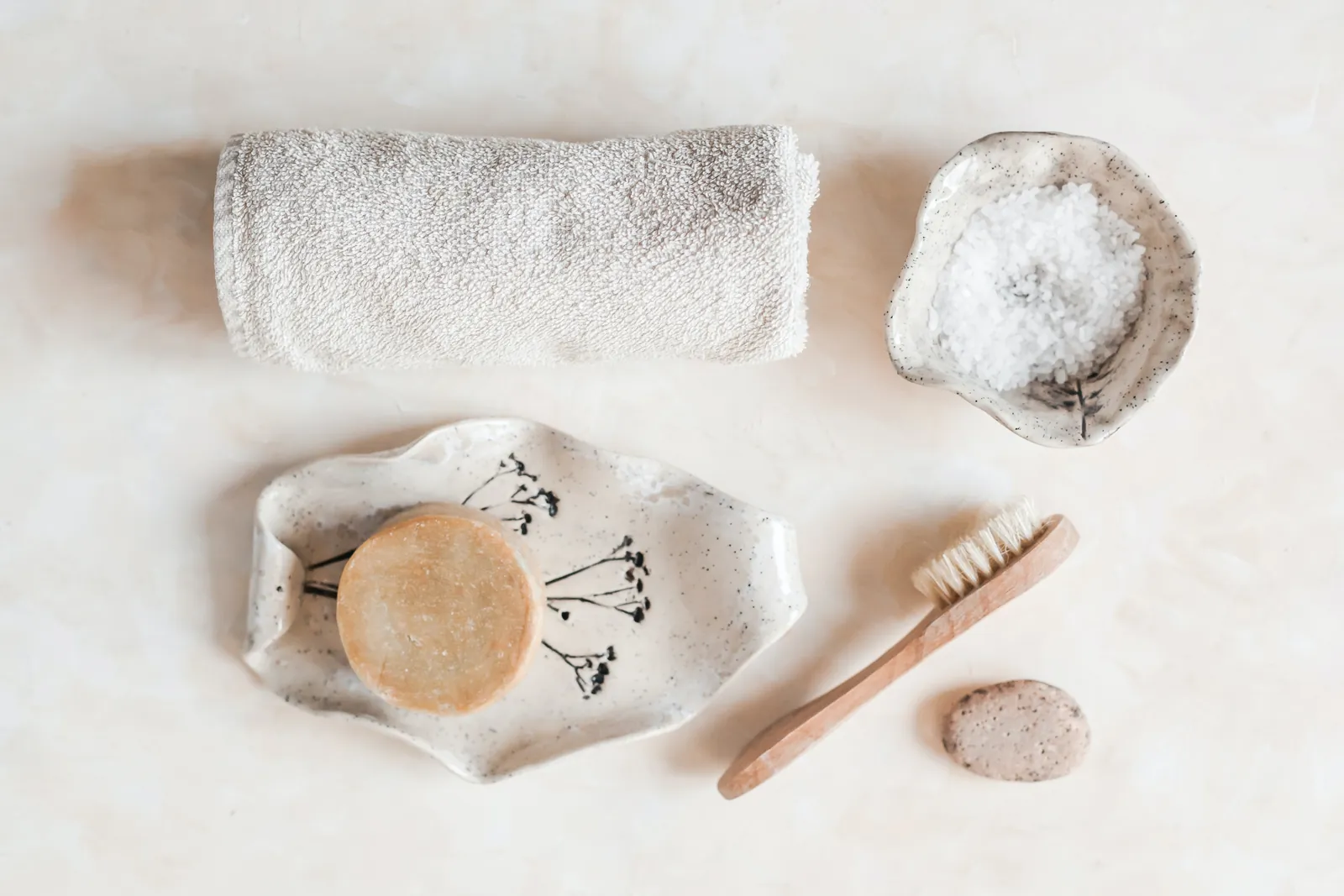
These same expectations are found in the food sector and household products. “Clean & safe” pet food and care are also appearing - the trend for solid cosmetics extends beyond cosmetics.
What is the impact on our health and planet?
This concept of “clean beauty” implies products that respect the environment, excluding ingredients such as sulfates, mineral oils or potentially dangerous chemicals.
In the same vein, minimalism is the rule, and brands tend toward recyclable packaging. Some also commit to reducing or offsetting their carbon footprint. All these initiatives protect the planet and have favourable repercussions on our health: ingredients must be as natural as possible and free of substances dangerous to the skin.
What about labels?
A study by the start-up Blissim shows that 8 out of 10 French people are ready to buy a cosmetic if it carries a label.
But for Clean and Safe beauty, there are no labels to date - no common label, certification or charter. The only way to be sure remains to scrutinise the labels. A few certifications do help:
- Slow Cosmétique, which looks at both formulas and a brand’s business model;
- Cosmos, which guarantees production methods that respect the environment and health;
- NaTrue, which indicates the use of natural ingredients only;
- the Cruelty-free label, indicating tests were not carried out on animals.
Other certifications such as Demeter attest to ingredients from biodynamic farming.
Will Clean and Safe beauty keep evolving?
Consumers now want a more general concept. “Gentle beauty” is also developing: the expectation is for non-aggressive, non-irritating compositions (no alcohol, no synthetic fragrances). The environmental and ethical dimensions (vegan, animal welfare) must also be considered.
Ultimately, consumers want products that are at once:
- “clean & safe”, good for health;
- “gentle”, good for the skin;
- “environment-friendly”, good for the planet.
This broader expectation is likely to intensify, making it complex for brands to be flawless on all fronts. One solution may be to stay focused on one dimension, owning that choice transparently, before progressing on each one gradually.
“Demand for responsible, healthier, more environmentally friendly cosmetics should hold and win over more and more consumers in the coming years.”
Moreover, upcycling brings significant environmental, social and economic benefits and should grow in the years to come.